
ADVERTISEMENT
Scope and Scale of the Attack
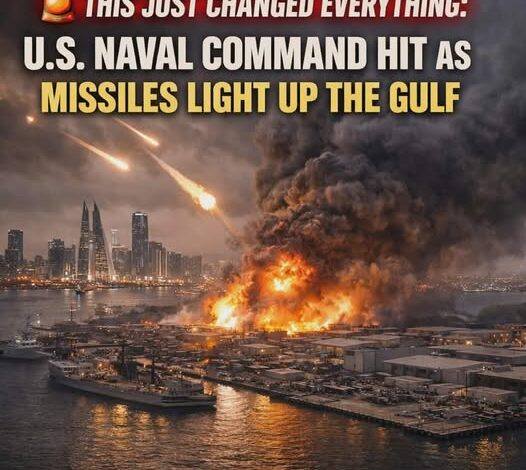
According to regional military and defense sources, Iran employed a combination of ballistic missiles and unmanned aerial systems in its assault. Air defenses in Bahrain responded to incoming threats, and many of the projectiles were intercepted. However, some reached their intended vicinity, triggering fires that produced the visible black plumes.
Civilian Impact and Regional Tensions
In addition to military facilities, Iranian strikes have reportedly affected civilian infrastructure in Bahrain and nearby countries. Residential buildings, hotels, and other non‑military sites have sustained damage, prompting emergency responses and evacuations in some areas. At least one foreign worker was reported killed in connection with the strikes when debris from an intercepted missile caused a fire.
The attacks have intensified existing fears of a wider regional conflict involving multiple Middle Eastern nations, as countries hosting U.S. forces balance their own national security with the risks of being drawn deeper into hostilities.
U.S. and Allied Response
The United States has responded by reinforcing defense systems in allied Gulf states and increasing naval and air assets in positions meant to deter further escalation. Coordination with regional partners has also intensified as the conflict continues to unfold.
What Comes Next
As of now, the situation remains highly fluid. Both Tehran and Washington are closely monitoring developments, and diplomatic efforts to prevent further escalation are underway behind the scenes, even as military operations continue.
ADVERTISEMENT
