
ADVERTISEMENT
The Emotional Aftermath
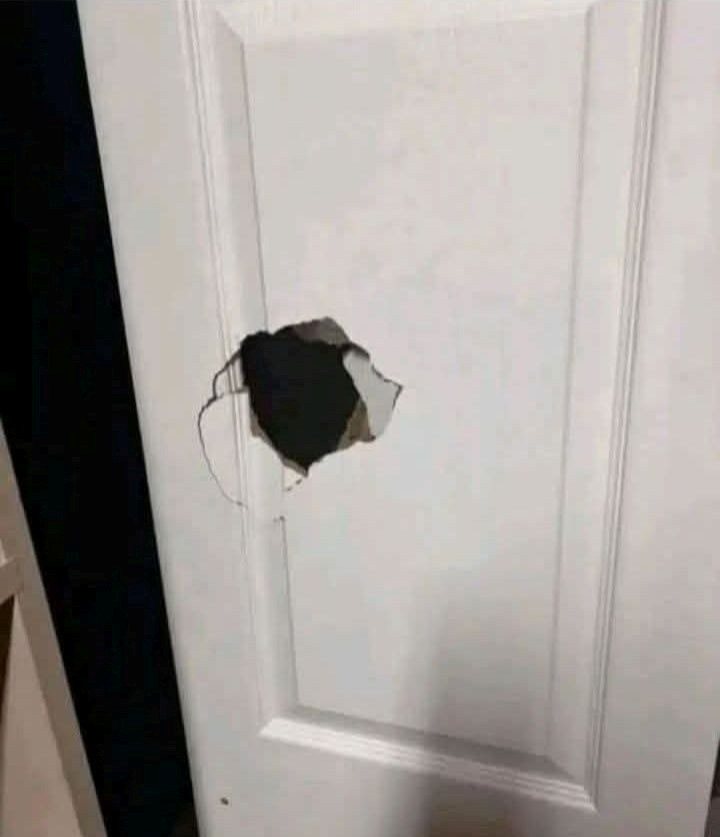
Afterward, there were apologies. Promises that it would never happen again. Explanations about stress, pressure, losing control. But the hole in the door remained — a visible reminder of what happened.
Incidents like this can leave a lasting emotional impact. Even if no one is physically harmed, the sense of security in the relationship can shift. It raises difficult questions:
- What happens next time?
- Could it escalate?
- Was this an isolated loss of control, or a warning sign?
Recognizing Red Flags
Experts in relationship safety often point to certain behaviors as warning signs of potential escalation:
- Blocking exits or cornering a partner
- Punching walls, throwing objects, or breaking things during arguments
- Using size or proximity to intimidate
- Minimizing the behavior afterward
Choosing Safety and Clarity
If you find yourself in a similar situation, your safety matters. It’s important to:
- Create space if you feel unsafe
- Reach out to trusted friends or family
- Consider speaking with a counselor or domestic violence advocate
- Reflect honestly on whether the relationship feels secure and respectful
In the U.S., confidential support is available through the National Domestic Violence Hotline at 1-800-799-SAFE (7233) or via thehotline.org. If you are outside the U.S., local crisis lines and advocacy organizations can provide similar confidential support.
ADVERTISEMENT
