
ADVERTISEMENT
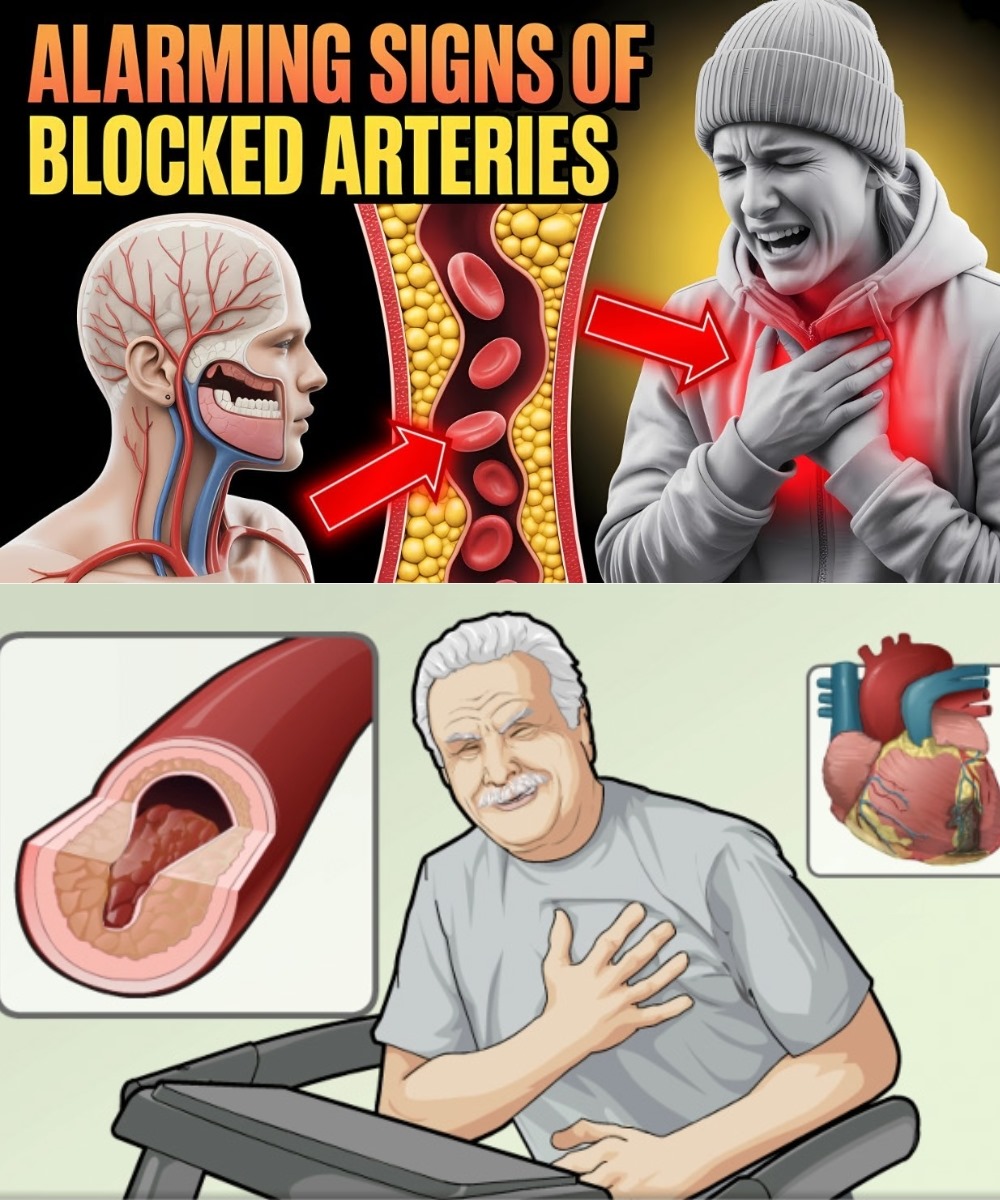
1. Chest Discomfort or Pressure
A feeling of tightness, squeezing, or pressure in the chest — even if mild or occasional — could be a sign of reduced blood flow to the heart. This condition, known as angina, can occur during activity or stress and sometimes fades with rest.
2. Shortness of Breath
3. Fatigue Without Explanation
Persistent, unexplained tiredness can sometimes be linked to poor circulation. When arteries are narrowed, your heart has to work harder, leaving you feeling drained even without intense physical activity.
4. Pain in the Legs While Walking
Leg pain or cramping during walking — called claudication — may signal blocked arteries in the lower body. The discomfort typically improves with rest and returns with activity.
5. Cold Hands or Feet
6. Erectile Dysfunction
In men, difficulty achieving or maintaining an erection can sometimes be an early sign of vascular disease. Reduced blood flow affects more than just the heart — it impacts the entire circulatory system.
7. Jaw, Neck, or Shoulder Pain
Heart-related discomfort doesn’t always stay in the chest. Pain that radiates to the jaw, neck, back, or shoulders — especially during exertion — can indicate restricted coronary arteries.
8. Sudden Weakness or Slurred Speech
Why It Matters
Clogged arteries often develop silently over many years. Risk factors include high cholesterol, high blood pressure, smoking, diabetes, obesity, lack of exercise, and a family history of heart disease.
ADVERTISEMENT
